Written by Amber Brown
Date: October 30, 2026
Students do not have to travel across the Atlantic to discover the wildlife and conservation work happening at the Saint Louis Zoo. Through interactive virtual classes, the Zoo connects learners with animals, habitats, and the people who care for them. In addition to offering more than two dozen virtual programs, the Zoo can create customized experiences tailored to a group’s specific interests and/or learning goals. A recent program for students in the United Kingdom demonstrates how virtual learning can bring wildlife from across the world into the classroom.
The Saint Louis Zoo’s virtual classes use Zoom to connect students with Zoo educators for engaging, interactive learning experiences. Programs explore topics such as animal adaptations, habitats, and conservation, and may incorporate live video from Zoo habitats, prerecorded footage, biofacts, and virtual tours of different areas of the Zoo. These varied approaches give students opportunities to observe animals, ask questions, and explore concepts that might otherwise be difficult to experience firsthand.
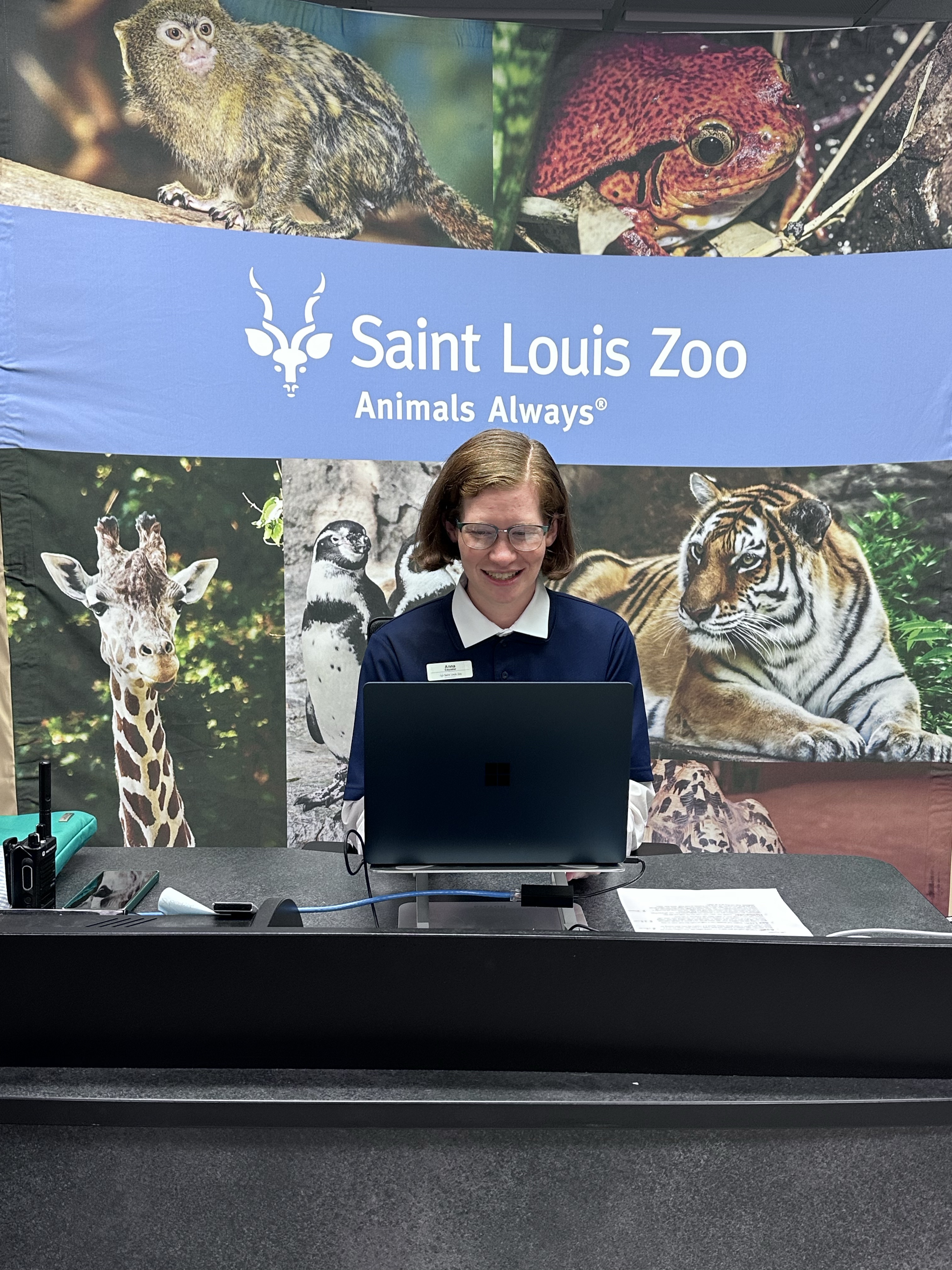 Anna, a Saint Louis Zoo educator, leading a Custom Virtual Program for the Osborne Trust School in Essex, England
Media Credit: Saint Louis Zoo
For one group of students in the UK, the learning experience began with a specific request: to meet animals native to the Americas and discover the adaptations that help them survive. The Zoo’s education team developed a custom program focused on these species and their unique characteristics. Students encountered coatis, tree-climbing relatives of raccoons, along with California sea lions, harbor seals, bullsnakes, and hellbenders. Through these encounters, the class explored how animals are adapted to their environments and how different species meet the challenges of survival.
The customized format allowed the Zoo’s educators to shape the experience around the students’ interests rather than relying on a one-size-fits-all lesson. By combining animal observations, educator expertise, and opportunities for student interaction, the program brought wildlife into the classroom while connecting students with animals they might never have the opportunity to see in person.
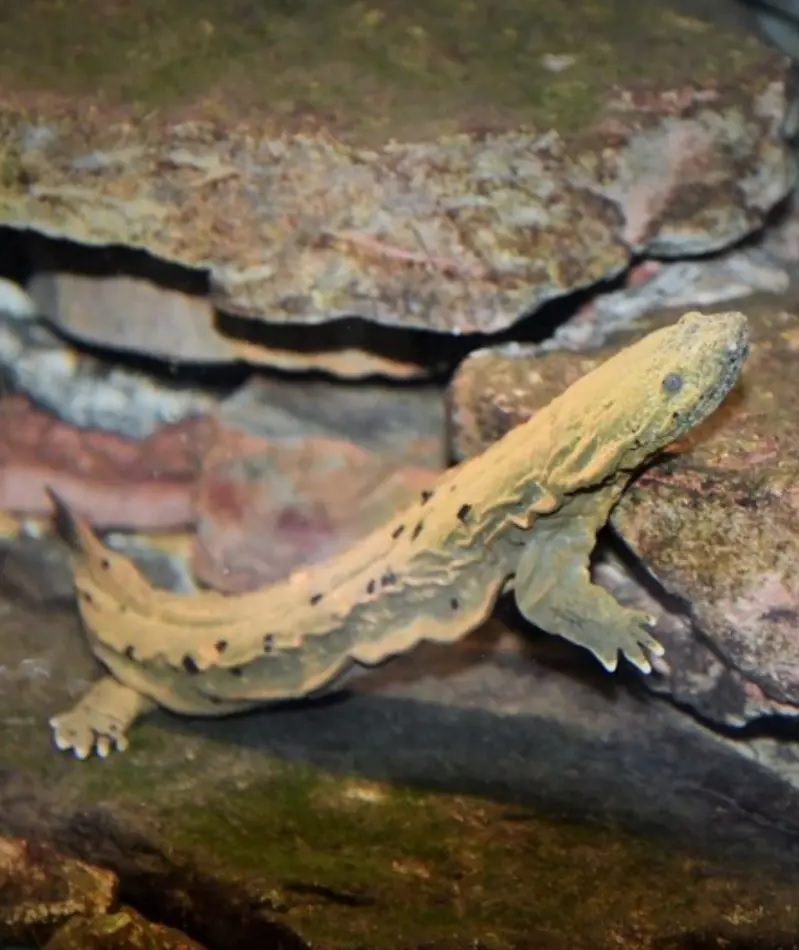 An Eastern Hellbender at his habitat at the Saint Louis Zoo Herpetarium
Media Credit: Saint Louis Zoo
The response from the group reflected the value of the experience. Following the program, the coordinator shared, “Wow!! What do I say?? But thank you so very much. Anna you did a great job and it was wonderful that you lined up so many visitors for us too. The children, teacher and I learnt so much.”
Experiences like this highlight the potential of distance learning to make meaningful connections across geographic boundaries. Whether a class is exploring animal adaptations, discovering the diversity of wildlife, or investigating conservation challenges, virtual programs can bring learners closer to the natural world without requiring travel. Through its established, award-winning virtual offerings and custom-designed classes, the Saint Louis Zoo continues to create opportunities for students and educators to connect with wildlife, wherever learning takes place. Visit the Saint Louis Zoo’s homepage on CILC to learn more or to book a program today!